
Book a session with our expert therapists

Meet our Team of Expert Therapists!

Sort by services
Supervised by Marc Klekar, LPC-S
Ainslee McFarland, Graduate Student Clinician
Supervised by Marc Klekar, LPC-S

Ainslee loves working with teens and adults who feel stuck between who they’ve learned to be and who they’re becoming. She offers a warm, genuine space to explore anxiety, relationships, people-pleasing, and old patterns while helping you trust your own voice and live with greater authenticity.

Alyssa Smalt, LPC

Alyssa loves working with adults who are feeling stuck in stress, self-doubt, relationship struggles, or the weight of past experiences. She values creating a warm, collaborative space where all parts of your story are welcome and you can begin reconnecting with yourself with more clarity and compassion.

Caroline Dillard, LMFT

Clients often come to Caroline when old family patterns, relationship struggles, life transitions, grief, or identity questions have started to leave them feeling disconnected from themselves or the people they love. She values creating a safe, inclusive space where clients can understand the patterns that shaped them, find language for overwhelming emotions, and begin creating new ways of relating with more clarity and authenticity.
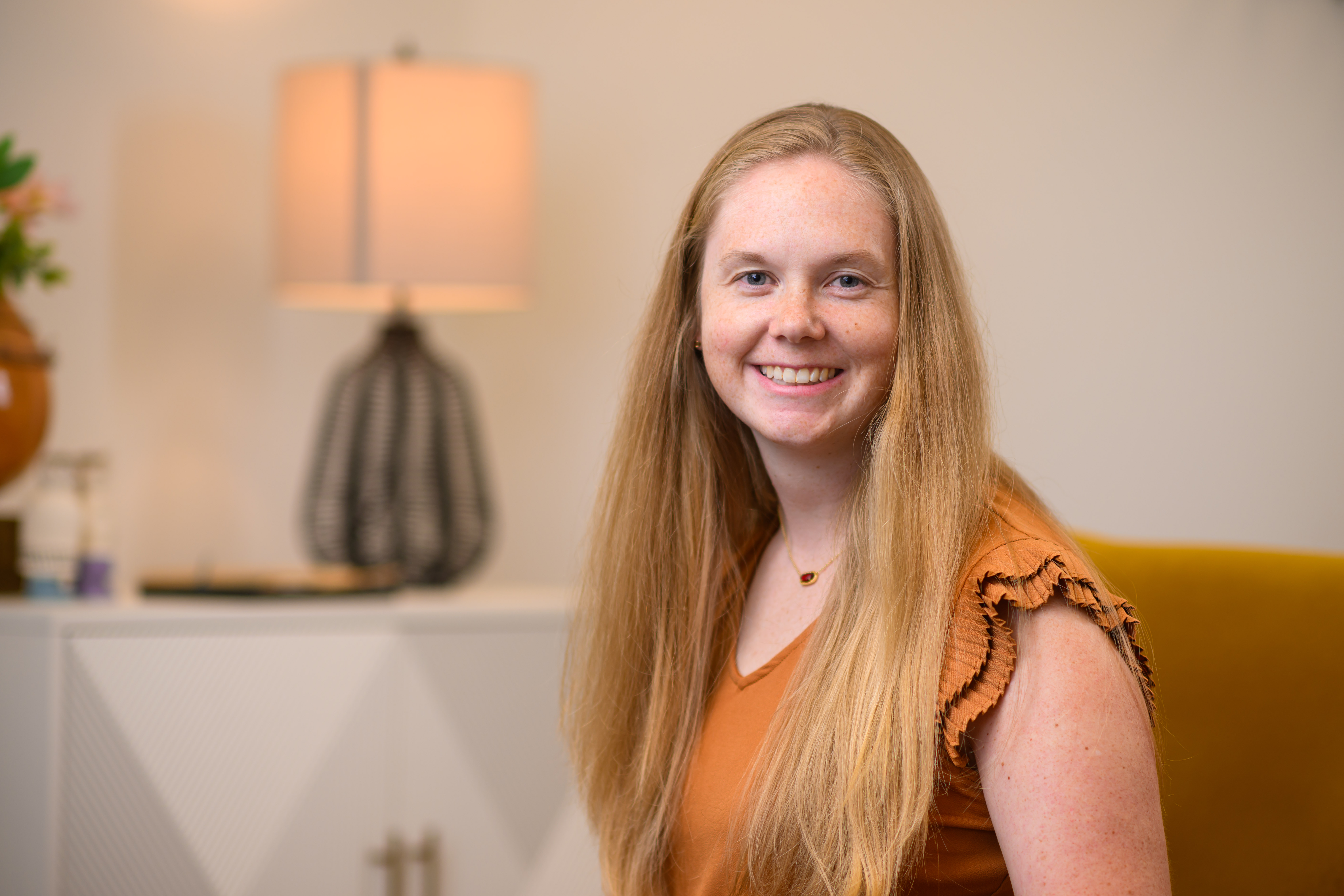
Dani Cook, LCSW

Many of Dani’s clients come to therapy carrying the weight of anxiety, depression, grief, trauma, addiction, or major life changes. She offers a compassionate, grounded space where teens and adults can better understand their story, rebuild confidence, and begin feeling more in control of their lives.

Hannah Rutherford, LPC

Hannah often works with clients who feel like they’re carrying too much, pushing emotions down, or struggling to feel connected to themselves and others. She creates a collaborative, flexible space where all parts of you are welcome, including the guarded, vulnerable, hopeful, and even sarcastic parts.

Jeremy Dew, LPC

Jeremy loves working with adults who are feeling stuck - from a loss, spiritual/religious issues, a difficult transition in your life, or relationship issues. He values moving slowly so that we don’t miss any part of you in the process.

Jessie Castro, LPC

Jessie creates space for children, teens, adults, and couples who are trying to untangle anxiety, relationship struggles, trauma, grief, body image concerns, or emotions they may not have felt safe enough to say out loud. She values helping clients feel supported, seen, and empowered as they build self-awareness, resilience, and meaningful connection.

Jess Rios, LPC

People often find their way to Jess when they’ve spent a long time shrinking parts of themselves, questioning where they belong, or carrying grief, trauma, identity concerns, or religious and cultural wounds. Jess offers a relational, affirming space where clients can show up without censoring themselves and begin honoring their full, authentic story.

Jill Butler, LPC-Associate
Supervised by Cameron House, LPC-S

Jill often works with college students, adults, and elders who feel caught in negative thoughts, painful emotions, relational struggles, caregiver stress, or seasons of spiritual questioning. Her work is rooted in authentic connection and practical support, helping clients reconnect with their worth, their strengths, and the possibility of meaningful change.

Kaitlin Parks, LPC-Associate
Supervised by Cameron House, LPC-S

Kaitlin supports college students, adults, and couples who are feeling overwhelmed, uncertain, self-doubting, or unsure of who they are becoming. She offers a warm, real, and nonjudgmental space where clients can explore what they’re carrying, build resilience, and move toward growth that feels honest and sustainable.
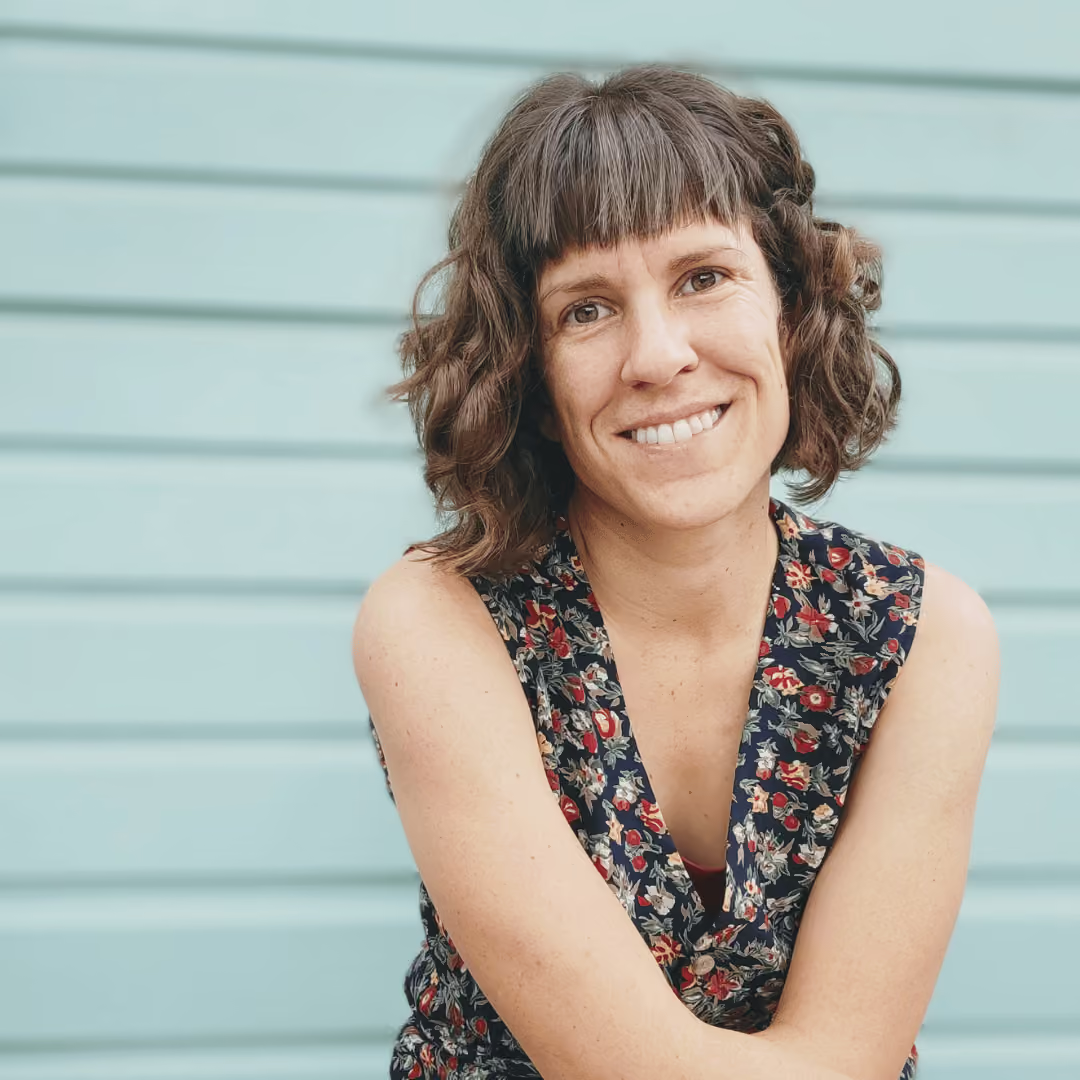
Lauren Lawrence, Graduate Student Clinician
Supervised by Marc Klekar, LPC-S

Lauren loves working with children, teens, adults, and families who are feeling overwhelmed, stuck in familiar patterns, or unsure of how to make sense of what they’re experiencing. She offers a warm, curious space to explore the connections between your thoughts, emotions, relationships, and body so you can move through life with greater connection, agency, and intention.

Luis Ponte, Ph.D.

Luis works with college students and adults who are trying to understand why focus, organization, follow-through, or daily routines feel harder than they should. Through ADHD testing and assessment, he helps clients make sense of what may be getting in the way and leave with a clearer, more grounded understanding of themselves.

ADHD, Anxiety, Behavioral Issues, Life Transitions/Adjustment Issues, Relational Issues, OCD
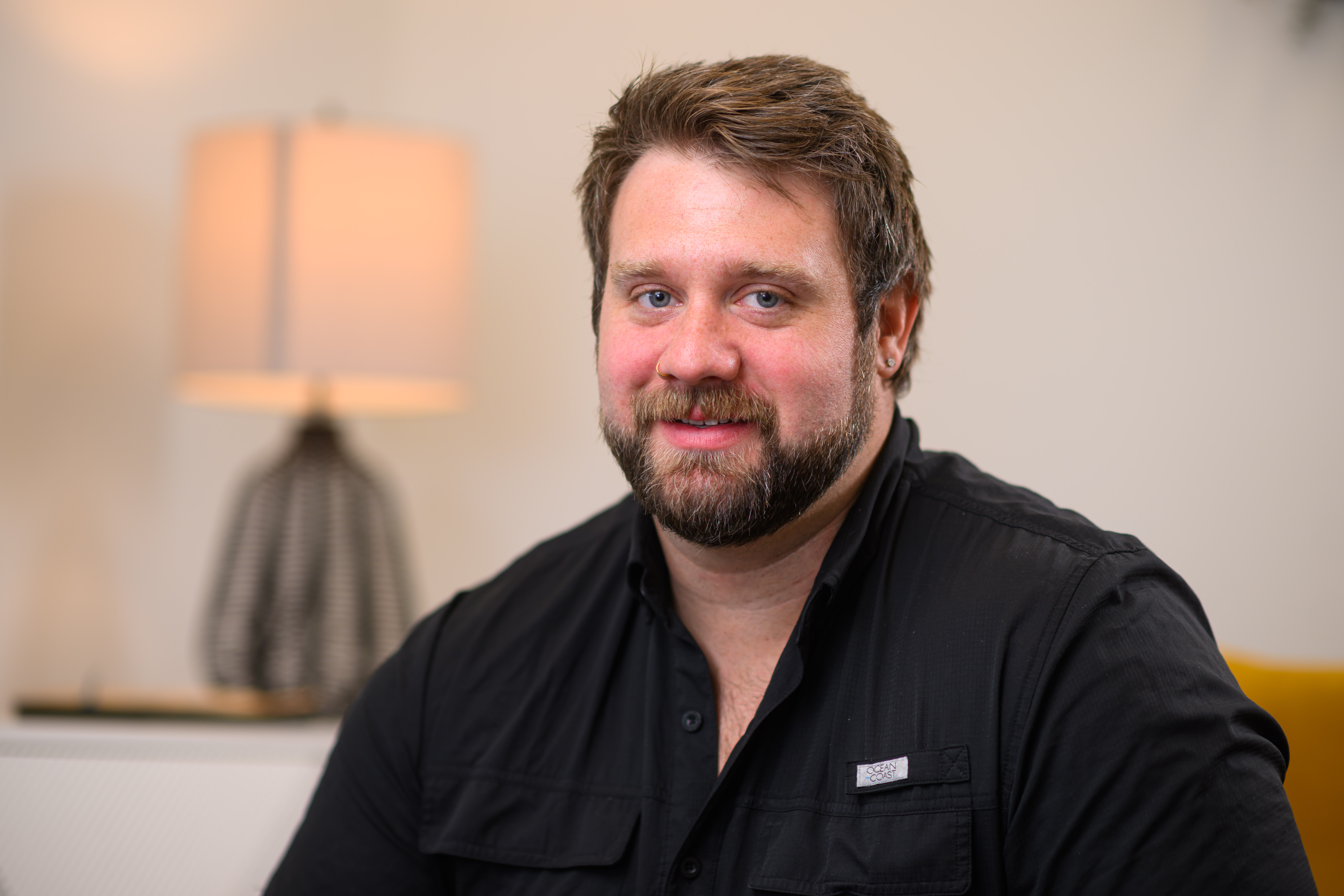
Marc Klekar, LPC-S

Marc often works with teens and adults who are carrying invisible wounds from trauma, military or first responder experiences, anxiety, OCD, grief, life transitions, or questions around identity. He brings a direct, supportive style that helps clients quiet the inner critic, build resilience, and reclaim the strength they already hold.

Paola Grande, LPC
Paola Grande, LPC

Paola offers adults and couples a thoughtful space to explore old relationship patterns, trauma, identity, faith, culture, and the parts of themselves that may have gotten lost along the way. Her work helps clients understand how they’ve learned to survive and begin reconnecting with themselves with more freedom, trust, and compassion.

Sarah Contreras, LPC, RPT

Sarah often works with children, teens, college students, and adults who are navigating anxiety, grief, self-esteem struggles, stress, postpartum concerns, multicultural issues, or big life transitions. She offers a culturally responsive, collaborative space where clients can feel supported, rediscover joy, and build confidence in their own resilience.

Tiffany Hammond, LPC

Tiffany supports individuals, couples, families, and groups who are facing family stress, relational difficulties, anxiety, depression, or major life adjustments. She values creating a warm, solution-focused space where clients can feel heard, identify meaningful goals, and build stronger, healthier connections.

Jessie Castro, LPC
There might be something you haven’t told anyone. A thought that keeps showing up and scares you. Questions about your relationship or sex life that feel embarrassing to admit. A part of your story you’re convinced is too weird, too messy, or just not normal. So you keep it to yourself. You analyze it, worry about what it means, and maybe even wonder what someone would think of you if you actually said it out loud. Here, you can say it. Your icky parts are welcome, too.
Lauren Lawrence, Graduate Student Clinician
Supervised by Marc Klekar, LPC-S
Lauren works with kids, teens, adults, couples, and families who want to better understand the patterns, relationships, and experiences shaping their lives. Her approach is warm, curious, and relational, creating space to slow down, listen to yourself, and discover new ways of moving through the world.
Sarah Contreras, LPC, RPT
Sometimes your past shows up in places you don’t expect it. A coworker talks about a happy holiday with their family and suddenly you’re angry. A friend goes on a first date and you can’t stop checking to make sure they’re okay. Something small happens, but the anxiety, sadness, or anger that follows feels anything but small. You may know your childhood or relationship with your parents affected you. You just didn’t expect it to keep finding its way into your life now.
Tiffany Hammond, LPC
Tiffany believes that healing is not just about addressing challenges but also about creating meaningful connections and finding practical solutions. For individuals, couples, and families, therapy offers a safe space to explore emotions, navigate relational difficulties, and build stronger bonds. Tiffany’s person-centered, solution-focused approach empowers clients to identify goals, overcome obstacles, and create a more fulfilling life.
Supervised by Marc Klekar, LPC-S
Ainslee McFarland, Graduate Student Clinician
Supervised by Marc Klekar, LPC-S
Ainslee loves working with teens and adults who feel stuck between who they’ve learned to be and who they’re becoming. She offers a warm, genuine space to explore anxiety, relationships, people-pleasing, and old patterns while helping you trust your own voice and live with greater authenticity.
Alyssa Smalt, LPC
You may be looking for therapy because something just doesn’t feel right. Things you once felt sure about don’t fit quite like they used to. You’re questioning your faith, your identity, your relationships, or even the life you thought you wanted. And those questions can bring up more questions. Am I allowed to question this? What will people in my life think? What if I’m wrong? It can feel like you’re living two lives. You want to be more honest about who you are and what you believe, but you’re also aware of what that honesty could cost. Family, relationships, community, faith. There’s a lot wrapped up in figuring out what feels true to you. You don’t have to have any of that figured out before coming to therapy. Sometimes you just need a place to start saying it out loud.
Dani Cook, LCSW
From the outside, you probably look like you’re doing just fine. You show up, get things done, take care of the people around you. You may even be the person everyone else comes to when they need help. But carrying all of that gets exhausting. You keep busy, make jokes, tell yourself other people have it worse, and minimize how hard things actually feel. Somewhere along the way, you may have lost track of what you need. You don’t have to be in crisis to deserve support. You’re allowed to put some of the weight down, too.
Hannah Rutherford, LPC
For the first time, a lot of your life is really up to you. What you want. Who you spend time with. What you believe. Who you want to become. That freedom can feel exciting, but it can also leave you second-guessing everything. What if I make the wrong choice? What if I disappoint someone? What if what I want is different from what people expect of me? You may feel caught between who you’ve always been expected to be and who you’re becoming. You want to move forward, but part of you is afraid to choose a direction at all.
Jeremy Dew, LPC
Something has happened, and the story you’ve always told yourself about who you are doesn’t fit quite like it used to. Maybe it was a loss, a relationship ending, a change in your career, or the death of someone you love. Or maybe it was something you did, something you never thought you were capable of doing. Either way, the ground feels less solid than it once did. There may be anxiety, depression, grief, or questions about your relationships, your faith, or yourself. But underneath all of that may be a bigger question: If I’m not who I thought I was, then who am I now?
Jessie Castro, LPC
There might be something you haven’t told anyone. A thought that keeps showing up and scares you. Questions about your relationship or sex life that feel embarrassing to admit. A part of your story you’re convinced is too weird, too messy, or just not normal. So you keep it to yourself. You analyze it, worry about what it means, and maybe even wonder what someone would think of you if you actually said it out loud. Here, you can say it. Your icky parts are welcome, too.
Lauren Lawrence, Graduate Student Clinician
Supervised by Marc Klekar, LPC-S
Lauren works with kids, teens, adults, couples, and families who want to better understand the patterns, relationships, and experiences shaping their lives. Her approach is warm, curious, and relational, creating space to slow down, listen to yourself, and discover new ways of moving through the world.
Marc Klekar, LPC-S
You’re getting things done. Work is handled. People can count on you. From the outside, it probably looks like you’ve got things pretty well locked down. But at home, something isn’t working. Your partner is frustrated. You don’t feel as connected to your family. You’re going through the motions, trying to keep everybody else taken care of, and somehow still feeling like you’re doing everything right and everything wrong at the same time. You can keep putting yourself on the back burner, but it doesn’t seem to be fixing the things that matter most.
Sarah Contreras, LPC, RPT
Sometimes your past shows up in places you don’t expect it. A coworker talks about a happy holiday with their family and suddenly you’re angry. A friend goes on a first date and you can’t stop checking to make sure they’re okay. Something small happens, but the anxiety, sadness, or anger that follows feels anything but small. You may know your childhood or relationship with your parents affected you. You just didn’t expect it to keep finding its way into your life now.
Tiffany Hammond, LPC
Tiffany believes that healing is not just about addressing challenges but also about creating meaningful connections and finding practical solutions. For individuals, couples, and families, therapy offers a safe space to explore emotions, navigate relational difficulties, and build stronger bonds. Tiffany’s person-centered, solution-focused approach empowers clients to identify goals, overcome obstacles, and create a more fulfilling life.
Supervised by Marc Klekar, LPC-S
Ainslee McFarland, Graduate Student Clinician
Supervised by Marc Klekar, LPC-S
Ainslee loves working with teens and adults who feel stuck between who they’ve learned to be and who they’re becoming. She offers a warm, genuine space to explore anxiety, relationships, people-pleasing, and old patterns while helping you trust your own voice and live with greater authenticity.
Alyssa Smalt, LPC
You may be looking for therapy because something just doesn’t feel right. Things you once felt sure about don’t fit quite like they used to. You’re questioning your faith, your identity, your relationships, or even the life you thought you wanted. And those questions can bring up more questions. Am I allowed to question this? What will people in my life think? What if I’m wrong? It can feel like you’re living two lives. You want to be more honest about who you are and what you believe, but you’re also aware of what that honesty could cost. Family, relationships, community, faith. There’s a lot wrapped up in figuring out what feels true to you. You don’t have to have any of that figured out before coming to therapy. Sometimes you just need a place to start saying it out loud.
Caroline Dillard, LMFT
You’ve gotten pretty good at carrying a lot, doing a lot, & being a lot. Between work, relationships, family, kids, your community - you feel the weight of all the roles you step into & the responsibilities that come with them. But lately, it has been taking more effort to just show up. You’re burnt out, unfulfilled, trapped in a constant state of stress, and can’t seem to figure out what’s actually wrong. You should be able to handle this like everyone else does. You didn’t used to be this sensitive. You’re not doing enough. Maybe you just need to try harder and be more grateful. You’ve tried countless fixes but always seem to find yourself back in this same pit of burnout; riddled with anxiety and stress, & criticizing yourself for not being able to just do more. Maybe you’ve started to think ….more might actually be part of the problem. You may not know exactly what needs to change yet. You just know something has to.
Dani Cook, LCSW
From the outside, you probably look like you’re doing just fine. You show up, get things done, take care of the people around you. You may even be the person everyone else comes to when they need help. But carrying all of that gets exhausting. You keep busy, make jokes, tell yourself other people have it worse, and minimize how hard things actually feel. Somewhere along the way, you may have lost track of what you need. You don’t have to be in crisis to deserve support. You’re allowed to put some of the weight down, too.
Hannah Rutherford, LPC
For the first time, a lot of your life is really up to you. What you want. Who you spend time with. What you believe. Who you want to become. That freedom can feel exciting, but it can also leave you second-guessing everything. What if I make the wrong choice? What if I disappoint someone? What if what I want is different from what people expect of me? You may feel caught between who you’ve always been expected to be and who you’re becoming. You want to move forward, but part of you is afraid to choose a direction at all.
Jeremy Dew, LPC
Something has happened, and the story you’ve always told yourself about who you are doesn’t fit quite like it used to. Maybe it was a loss, a relationship ending, a change in your career, or the death of someone you love. Or maybe it was something you did, something you never thought you were capable of doing. Either way, the ground feels less solid than it once did. There may be anxiety, depression, grief, or questions about your relationships, your faith, or yourself. But underneath all of that may be a bigger question: If I’m not who I thought I was, then who am I now?
Jessie Castro, LPC
There might be something you haven’t told anyone. A thought that keeps showing up and scares you. Questions about your relationship or sex life that feel embarrassing to admit. A part of your story you’re convinced is too weird, too messy, or just not normal. So you keep it to yourself. You analyze it, worry about what it means, and maybe even wonder what someone would think of you if you actually said it out loud. Here, you can say it. Your icky parts are welcome, too.
Jess Rios, LPC
You’ve spent a lot of your life learning how to be who people need you to be. How to manage expectations. How to keep moving. Maybe even how to shrink certain parts of yourself in order to belong. But somewhere along the way, you started wondering: Where do I fit into all of this? Who am I when I’m not trying to be what everyone else wants me to be? Maybe you love your family and still feel hurt by them. Maybe there are parts of your culture or faith you cherish and other parts you’re questioning. Maybe you deeply want connection, but you’ve learned that being fully yourself can sometimes come at a cost. You shouldn’t have to abandon parts of yourself in order to belong.
Jill Butler, LPC-Associate
Supervised by Cameron House, LPC-S
You’re tired. Tired of caring so much. Tired of being the one who holds everything together. Tired of worrying, overthinking, making the hard decisions, and trying to get everything done. Maybe you’re caring for someone else, grieving a loss, dealing with a relationship that has changed, or going through a season you never expected. You’re still the person everyone can count on. But somewhere underneath all of that, there’s a quieter question: What about me?
Kaitlin Parks, LPC-Associate
Supervised by Cameron House, LPC-S
College Station can be an easy place to belong when you know exactly where you fit. It can feel pretty lonely when you don’t. Maybe you came here for school, followed a partner here, stayed after graduation, or have no connection to A&M at all. You look around and it seems like everyone else has found their people and figured out who they’re supposed to be. Meanwhile, you’re overthinking what you say, worrying about what other people think, and trying to be the version of yourself that fits. After a while, it’s hard not to wonder: Is there something wrong with me?
Marc Klekar, LPC-S
You’re getting things done. Work is handled. People can count on you. From the outside, it probably looks like you’ve got things pretty well locked down. But at home, something isn’t working. Your partner is frustrated. You don’t feel as connected to your family. You’re going through the motions, trying to keep everybody else taken care of, and somehow still feeling like you’re doing everything right and everything wrong at the same time. You can keep putting yourself on the back burner, but it doesn’t seem to be fixing the things that matter most.
Paola Grande, LPC
Paola Grande, LPC
Paola loves working with adults who have spent a long time carrying a lot for others and are beginning to feel disconnected from themselves. She creates a thoughtful, compassionate space to explore old relationship patterns, trauma, identity, and the ways you’ve learned to survive—helping you reconnect with yourself with greater freedom, trust, and compassion.
Sarah Contreras, LPC, RPT
Sometimes your past shows up in places you don’t expect it. A coworker talks about a happy holiday with their family and suddenly you’re angry. A friend goes on a first date and you can’t stop checking to make sure they’re okay. Something small happens, but the anxiety, sadness, or anger that follows feels anything but small. You may know your childhood or relationship with your parents affected you. You just didn’t expect it to keep finding its way into your life now.
Tiffany Hammond, LPC
Tiffany believes that healing is not just about addressing challenges but also about creating meaningful connections and finding practical solutions. For individuals, couples, and families, therapy offers a safe space to explore emotions, navigate relational difficulties, and build stronger bonds. Tiffany’s person-centered, solution-focused approach empowers clients to identify goals, overcome obstacles, and create a more fulfilling life.
Supervised by Marc Klekar, LPC-S
Ainslee McFarland, Graduate Student Clinician
Supervised by Marc Klekar, LPC-S
Ainslee loves working with teens and adults who feel stuck between who they’ve learned to be and who they’re becoming. She offers a warm, genuine space to explore anxiety, relationships, people-pleasing, and old patterns while helping you trust your own voice and live with greater authenticity.
Alyssa Smalt, LPC
You may be looking for therapy because something just doesn’t feel right. Things you once felt sure about don’t fit quite like they used to. You’re questioning your faith, your identity, your relationships, or even the life you thought you wanted. And those questions can bring up more questions. Am I allowed to question this? What will people in my life think? What if I’m wrong? It can feel like you’re living two lives. You want to be more honest about who you are and what you believe, but you’re also aware of what that honesty could cost. Family, relationships, community, faith. There’s a lot wrapped up in figuring out what feels true to you. You don’t have to have any of that figured out before coming to therapy. Sometimes you just need a place to start saying it out loud.
Caroline Dillard, LMFT
You’ve gotten pretty good at carrying a lot, doing a lot, & being a lot. Between work, relationships, family, kids, your community - you feel the weight of all the roles you step into & the responsibilities that come with them. But lately, it has been taking more effort to just show up. You’re burnt out, unfulfilled, trapped in a constant state of stress, and can’t seem to figure out what’s actually wrong. You should be able to handle this like everyone else does. You didn’t used to be this sensitive. You’re not doing enough. Maybe you just need to try harder and be more grateful. You’ve tried countless fixes but always seem to find yourself back in this same pit of burnout; riddled with anxiety and stress, & criticizing yourself for not being able to just do more. Maybe you’ve started to think ….more might actually be part of the problem. You may not know exactly what needs to change yet. You just know something has to.
Dani Cook, LCSW
From the outside, you probably look like you’re doing just fine. You show up, get things done, take care of the people around you. You may even be the person everyone else comes to when they need help. But carrying all of that gets exhausting. You keep busy, make jokes, tell yourself other people have it worse, and minimize how hard things actually feel. Somewhere along the way, you may have lost track of what you need. You don’t have to be in crisis to deserve support. You’re allowed to put some of the weight down, too.
Hannah Rutherford, LPC
For the first time, a lot of your life is really up to you. What you want. Who you spend time with. What you believe. Who you want to become. That freedom can feel exciting, but it can also leave you second-guessing everything. What if I make the wrong choice? What if I disappoint someone? What if what I want is different from what people expect of me? You may feel caught between who you’ve always been expected to be and who you’re becoming. You want to move forward, but part of you is afraid to choose a direction at all.
Jeremy Dew, LPC
Something has happened, and the story you’ve always told yourself about who you are doesn’t fit quite like it used to. Maybe it was a loss, a relationship ending, a change in your career, or the death of someone you love. Or maybe it was something you did, something you never thought you were capable of doing. Either way, the ground feels less solid than it once did. There may be anxiety, depression, grief, or questions about your relationships, your faith, or yourself. But underneath all of that may be a bigger question: If I’m not who I thought I was, then who am I now?
Jessie Castro, LPC
There might be something you haven’t told anyone. A thought that keeps showing up and scares you. Questions about your relationship or sex life that feel embarrassing to admit. A part of your story you’re convinced is too weird, too messy, or just not normal. So you keep it to yourself. You analyze it, worry about what it means, and maybe even wonder what someone would think of you if you actually said it out loud. Here, you can say it. Your icky parts are welcome, too.
Jess Rios, LPC
You’ve spent a lot of your life learning how to be who people need you to be. How to manage expectations. How to keep moving. Maybe even how to shrink certain parts of yourself in order to belong. But somewhere along the way, you started wondering: Where do I fit into all of this? Who am I when I’m not trying to be what everyone else wants me to be? Maybe you love your family and still feel hurt by them. Maybe there are parts of your culture or faith you cherish and other parts you’re questioning. Maybe you deeply want connection, but you’ve learned that being fully yourself can sometimes come at a cost. You shouldn’t have to abandon parts of yourself in order to belong.
Jill Butler, LPC-Associate
Supervised by Cameron House, LPC-S
You’re tired. Tired of caring so much. Tired of being the one who holds everything together. Tired of worrying, overthinking, making the hard decisions, and trying to get everything done. Maybe you’re caring for someone else, grieving a loss, dealing with a relationship that has changed, or going through a season you never expected. You’re still the person everyone can count on. But somewhere underneath all of that, there’s a quieter question: What about me?
Kaitlin Parks, LPC-Associate
Supervised by Cameron House, LPC-S
College Station can be an easy place to belong when you know exactly where you fit. It can feel pretty lonely when you don’t. Maybe you came here for school, followed a partner here, stayed after graduation, or have no connection to A&M at all. You look around and it seems like everyone else has found their people and figured out who they’re supposed to be. Meanwhile, you’re overthinking what you say, worrying about what other people think, and trying to be the version of yourself that fits. After a while, it’s hard not to wonder: Is there something wrong with me?
Lauren Lawrence, Graduate Student Clinician
Supervised by Marc Klekar, LPC-S
Lauren works with kids, teens, adults, couples, and families who want to better understand the patterns, relationships, and experiences shaping their lives. Her approach is warm, curious, and relational, creating space to slow down, listen to yourself, and discover new ways of moving through the world.
Marc Klekar, LPC-S
You’re getting things done. Work is handled. People can count on you. From the outside, it probably looks like you’ve got things pretty well locked down. But at home, something isn’t working. Your partner is frustrated. You don’t feel as connected to your family. You’re going through the motions, trying to keep everybody else taken care of, and somehow still feeling like you’re doing everything right and everything wrong at the same time. You can keep putting yourself on the back burner, but it doesn’t seem to be fixing the things that matter most.
Paola Grande, LPC
Paola Grande, LPC
Paola loves working with adults who have spent a long time carrying a lot for others and are beginning to feel disconnected from themselves. She creates a thoughtful, compassionate space to explore old relationship patterns, trauma, identity, and the ways you’ve learned to survive—helping you reconnect with yourself with greater freedom, trust, and compassion.
Sarah Contreras, LPC, RPT
Sometimes your past shows up in places you don’t expect it. A coworker talks about a happy holiday with their family and suddenly you’re angry. A friend goes on a first date and you can’t stop checking to make sure they’re okay. Something small happens, but the anxiety, sadness, or anger that follows feels anything but small. You may know your childhood or relationship with your parents affected you. You just didn’t expect it to keep finding its way into your life now.
Tiffany Hammond, LPC
Tiffany believes that healing is not just about addressing challenges but also about creating meaningful connections and finding practical solutions. For individuals, couples, and families, therapy offers a safe space to explore emotions, navigate relational difficulties, and build stronger bonds. Tiffany’s person-centered, solution-focused approach empowers clients to identify goals, overcome obstacles, and create a more fulfilling life.
Supervised by Marc Klekar, LPC-S
Ainslee McFarland, Graduate Student Clinician
Supervised by Marc Klekar, LPC-S
Ainslee loves working with teens and adults who feel stuck between who they’ve learned to be and who they’re becoming. She offers a warm, genuine space to explore anxiety, relationships, people-pleasing, and old patterns while helping you trust your own voice and live with greater authenticity.
Caroline Dillard, LMFT
You’ve gotten pretty good at carrying a lot, doing a lot, & being a lot. Between work, relationships, family, kids, your community - you feel the weight of all the roles you step into & the responsibilities that come with them. But lately, it has been taking more effort to just show up. You’re burnt out, unfulfilled, trapped in a constant state of stress, and can’t seem to figure out what’s actually wrong. You should be able to handle this like everyone else does. You didn’t used to be this sensitive. You’re not doing enough. Maybe you just need to try harder and be more grateful. You’ve tried countless fixes but always seem to find yourself back in this same pit of burnout; riddled with anxiety and stress, & criticizing yourself for not being able to just do more. Maybe you’ve started to think ….more might actually be part of the problem. You may not know exactly what needs to change yet. You just know something has to.
Jessie Castro, LPC
There might be something you haven’t told anyone. A thought that keeps showing up and scares you. Questions about your relationship or sex life that feel embarrassing to admit. A part of your story you’re convinced is too weird, too messy, or just not normal. So you keep it to yourself. You analyze it, worry about what it means, and maybe even wonder what someone would think of you if you actually said it out loud. Here, you can say it. Your icky parts are welcome, too.
Jess Rios, LPC
You’ve spent a lot of your life learning how to be who people need you to be. How to manage expectations. How to keep moving. Maybe even how to shrink certain parts of yourself in order to belong. But somewhere along the way, you started wondering: Where do I fit into all of this? Who am I when I’m not trying to be what everyone else wants me to be? Maybe you love your family and still feel hurt by them. Maybe there are parts of your culture or faith you cherish and other parts you’re questioning. Maybe you deeply want connection, but you’ve learned that being fully yourself can sometimes come at a cost. You shouldn’t have to abandon parts of yourself in order to belong.
Kaitlin Parks, LPC-Associate
Supervised by Cameron House, LPC-S
College Station can be an easy place to belong when you know exactly where you fit. It can feel pretty lonely when you don’t. Maybe you came here for school, followed a partner here, stayed after graduation, or have no connection to A&M at all. You look around and it seems like everyone else has found their people and figured out who they’re supposed to be. Meanwhile, you’re overthinking what you say, worrying about what other people think, and trying to be the version of yourself that fits. After a while, it’s hard not to wonder: Is there something wrong with me?
Lauren Lawrence, Graduate Student Clinician
Supervised by Marc Klekar, LPC-S
Lauren works with kids, teens, adults, couples, and families who want to better understand the patterns, relationships, and experiences shaping their lives. Her approach is warm, curious, and relational, creating space to slow down, listen to yourself, and discover new ways of moving through the world.
Marc Klekar, LPC-S
You’re getting things done. Work is handled. People can count on you. From the outside, it probably looks like you’ve got things pretty well locked down. But at home, something isn’t working. Your partner is frustrated. You don’t feel as connected to your family. You’re going through the motions, trying to keep everybody else taken care of, and somehow still feeling like you’re doing everything right and everything wrong at the same time. You can keep putting yourself on the back burner, but it doesn’t seem to be fixing the things that matter most.
Paola Grande, LPC
Paola Grande, LPC
Paola loves working with adults who have spent a long time carrying a lot for others and are beginning to feel disconnected from themselves. She creates a thoughtful, compassionate space to explore old relationship patterns, trauma, identity, and the ways you’ve learned to survive—helping you reconnect with yourself with greater freedom, trust, and compassion.
Tiffany Hammond, LPC
Tiffany believes that healing is not just about addressing challenges but also about creating meaningful connections and finding practical solutions. For individuals, couples, and families, therapy offers a safe space to explore emotions, navigate relational difficulties, and build stronger bonds. Tiffany’s person-centered, solution-focused approach empowers clients to identify goals, overcome obstacles, and create a more fulfilling life.
Supervised by Marc Klekar, LPC-S
Ainslee McFarland, Graduate Student Clinician
Supervised by Marc Klekar, LPC-S
Ainslee loves working with teens and adults who feel stuck between who they’ve learned to be and who they’re becoming. She offers a warm, genuine space to explore anxiety, relationships, people-pleasing, and old patterns while helping you trust your own voice and live with greater authenticity.
Caroline Dillard, LMFT
You’ve gotten pretty good at carrying a lot, doing a lot, & being a lot. Between work, relationships, family, kids, your community - you feel the weight of all the roles you step into & the responsibilities that come with them. But lately, it has been taking more effort to just show up. You’re burnt out, unfulfilled, trapped in a constant state of stress, and can’t seem to figure out what’s actually wrong. You should be able to handle this like everyone else does. You didn’t used to be this sensitive. You’re not doing enough. Maybe you just need to try harder and be more grateful. You’ve tried countless fixes but always seem to find yourself back in this same pit of burnout; riddled with anxiety and stress, & criticizing yourself for not being able to just do more. Maybe you’ve started to think ….more might actually be part of the problem. You may not know exactly what needs to change yet. You just know something has to.
Jessie Castro, LPC
There might be something you haven’t told anyone. A thought that keeps showing up and scares you. Questions about your relationship or sex life that feel embarrassing to admit. A part of your story you’re convinced is too weird, too messy, or just not normal. So you keep it to yourself. You analyze it, worry about what it means, and maybe even wonder what someone would think of you if you actually said it out loud. Here, you can say it. Your icky parts are welcome, too.
Jess Rios, LPC
You’ve spent a lot of your life learning how to be who people need you to be. How to manage expectations. How to keep moving. Maybe even how to shrink certain parts of yourself in order to belong. But somewhere along the way, you started wondering: Where do I fit into all of this? Who am I when I’m not trying to be what everyone else wants me to be? Maybe you love your family and still feel hurt by them. Maybe there are parts of your culture or faith you cherish and other parts you’re questioning. Maybe you deeply want connection, but you’ve learned that being fully yourself can sometimes come at a cost. You shouldn’t have to abandon parts of yourself in order to belong.
Lauren Lawrence, Graduate Student Clinician
Supervised by Marc Klekar, LPC-S
Lauren works with kids, teens, adults, couples, and families who want to better understand the patterns, relationships, and experiences shaping their lives. Her approach is warm, curious, and relational, creating space to slow down, listen to yourself, and discover new ways of moving through the world.
Tiffany Hammond, LPC
Tiffany believes that healing is not just about addressing challenges but also about creating meaningful connections and finding practical solutions. For individuals, couples, and families, therapy offers a safe space to explore emotions, navigate relational difficulties, and build stronger bonds. Tiffany’s person-centered, solution-focused approach empowers clients to identify goals, overcome obstacles, and create a more fulfilling life.
Supervised by Marc Klekar, LPC-S
Ainslee McFarland, Graduate Student Clinician
Supervised by Marc Klekar, LPC-S
Ainslee loves working with teens and adults who feel stuck between who they’ve learned to be and who they’re becoming. She offers a warm, genuine space to explore anxiety, relationships, people-pleasing, and old patterns while helping you trust your own voice and live with greater authenticity.
Alyssa Smalt, LPC
You may be looking for therapy because something just doesn’t feel right. Things you once felt sure about don’t fit quite like they used to. You’re questioning your faith, your identity, your relationships, or even the life you thought you wanted. And those questions can bring up more questions. Am I allowed to question this? What will people in my life think? What if I’m wrong? It can feel like you’re living two lives. You want to be more honest about who you are and what you believe, but you’re also aware of what that honesty could cost. Family, relationships, community, faith. There’s a lot wrapped up in figuring out what feels true to you. You don’t have to have any of that figured out before coming to therapy. Sometimes you just need a place to start saying it out loud.
Caroline Dillard, LMFT
You’ve gotten pretty good at carrying a lot, doing a lot, & being a lot. Between work, relationships, family, kids, your community - you feel the weight of all the roles you step into & the responsibilities that come with them. But lately, it has been taking more effort to just show up. You’re burnt out, unfulfilled, trapped in a constant state of stress, and can’t seem to figure out what’s actually wrong. You should be able to handle this like everyone else does. You didn’t used to be this sensitive. You’re not doing enough. Maybe you just need to try harder and be more grateful. You’ve tried countless fixes but always seem to find yourself back in this same pit of burnout; riddled with anxiety and stress, & criticizing yourself for not being able to just do more. Maybe you’ve started to think ….more might actually be part of the problem. You may not know exactly what needs to change yet. You just know something has to.
Dani Cook, LCSW
From the outside, you probably look like you’re doing just fine. You show up, get things done, take care of the people around you. You may even be the person everyone else comes to when they need help. But carrying all of that gets exhausting. You keep busy, make jokes, tell yourself other people have it worse, and minimize how hard things actually feel. Somewhere along the way, you may have lost track of what you need. You don’t have to be in crisis to deserve support. You’re allowed to put some of the weight down, too.
Hannah Rutherford, LPC
For the first time, a lot of your life is really up to you. What you want. Who you spend time with. What you believe. Who you want to become. That freedom can feel exciting, but it can also leave you second-guessing everything. What if I make the wrong choice? What if I disappoint someone? What if what I want is different from what people expect of me? You may feel caught between who you’ve always been expected to be and who you’re becoming. You want to move forward, but part of you is afraid to choose a direction at all.
Jeremy Dew, LPC
Something has happened, and the story you’ve always told yourself about who you are doesn’t fit quite like it used to. Maybe it was a loss, a relationship ending, a change in your career, or the death of someone you love. Or maybe it was something you did, something you never thought you were capable of doing. Either way, the ground feels less solid than it once did. There may be anxiety, depression, grief, or questions about your relationships, your faith, or yourself. But underneath all of that may be a bigger question: If I’m not who I thought I was, then who am I now?
Jessie Castro, LPC
There might be something you haven’t told anyone. A thought that keeps showing up and scares you. Questions about your relationship or sex life that feel embarrassing to admit. A part of your story you’re convinced is too weird, too messy, or just not normal. So you keep it to yourself. You analyze it, worry about what it means, and maybe even wonder what someone would think of you if you actually said it out loud. Here, you can say it. Your icky parts are welcome, too.
Jess Rios, LPC
You’ve spent a lot of your life learning how to be who people need you to be. How to manage expectations. How to keep moving. Maybe even how to shrink certain parts of yourself in order to belong. But somewhere along the way, you started wondering: Where do I fit into all of this? Who am I when I’m not trying to be what everyone else wants me to be? Maybe you love your family and still feel hurt by them. Maybe there are parts of your culture or faith you cherish and other parts you’re questioning. Maybe you deeply want connection, but you’ve learned that being fully yourself can sometimes come at a cost. You shouldn’t have to abandon parts of yourself in order to belong.
Jill Butler, LPC-Associate
Supervised by Cameron House, LPC-S
You’re tired. Tired of caring so much. Tired of being the one who holds everything together. Tired of worrying, overthinking, making the hard decisions, and trying to get everything done. Maybe you’re caring for someone else, grieving a loss, dealing with a relationship that has changed, or going through a season you never expected. You’re still the person everyone can count on. But somewhere underneath all of that, there’s a quieter question: What about me?
Kaitlin Parks, LPC-Associate
Supervised by Cameron House, LPC-S
College Station can be an easy place to belong when you know exactly where you fit. It can feel pretty lonely when you don’t. Maybe you came here for school, followed a partner here, stayed after graduation, or have no connection to A&M at all. You look around and it seems like everyone else has found their people and figured out who they’re supposed to be. Meanwhile, you’re overthinking what you say, worrying about what other people think, and trying to be the version of yourself that fits. After a while, it’s hard not to wonder: Is there something wrong with me?
Marc Klekar, LPC-S
You’re getting things done. Work is handled. People can count on you. From the outside, it probably looks like you’ve got things pretty well locked down. But at home, something isn’t working. Your partner is frustrated. You don’t feel as connected to your family. You’re going through the motions, trying to keep everybody else taken care of, and somehow still feeling like you’re doing everything right and everything wrong at the same time. You can keep putting yourself on the back burner, but it doesn’t seem to be fixing the things that matter most.
Paola Grande, LPC
Paola Grande, LPC
Paola loves working with adults who have spent a long time carrying a lot for others and are beginning to feel disconnected from themselves. She creates a thoughtful, compassionate space to explore old relationship patterns, trauma, identity, and the ways you’ve learned to survive—helping you reconnect with yourself with greater freedom, trust, and compassion.
Sarah Contreras, LPC, RPT
Sometimes your past shows up in places you don’t expect it. A coworker talks about a happy holiday with their family and suddenly you’re angry. A friend goes on a first date and you can’t stop checking to make sure they’re okay. Something small happens, but the anxiety, sadness, or anger that follows feels anything but small. You may know your childhood or relationship with your parents affected you. You just didn’t expect it to keep finding its way into your life now.
Tiffany Hammond, LPC
Tiffany believes that healing is not just about addressing challenges but also about creating meaningful connections and finding practical solutions. For individuals, couples, and families, therapy offers a safe space to explore emotions, navigate relational difficulties, and build stronger bonds. Tiffany’s person-centered, solution-focused approach empowers clients to identify goals, overcome obstacles, and create a more fulfilling life.
No items found.
No items found.

Check out what people are saying!

At Roots Psychotherapy, we’re proud of the meaningful connections and transformations our clients experience. Don’t just take our word for it—see what others are saying about their journey with us. Read our reviews and discover why so many in College Station trust us to help them grow, heal, and thrive.
As a family medicine physician in College Station, I trust Roots for exceptional therapy and counseling. Their compassionate care and proven results have really benefited my patients. I highly recommend them for anyone seeking genuine healing and support.
Russell Bacak, M.D
We have used Roots for over a year for our teen and have had such a wonderful experience. The office itself has an inviting and comfortable energy. The counselors are amazing - I feel that my child's counselor is genuinely invested in her wellbeing and sincerely cares about what happens after we leave the office. Communication is excellent. Often we seek counseling in times of vulnerability which makes feeling safe and heard really important. Roots has been an invaluable resource for our family and a practice that I wholeheartedly recommend if you're seeking mental health support.
Cassidy
This is a great place for therapy. I called for a new therapist many months ago and I’ve had a great experience so far. Top-notch!
Bob
Roots has been an incredible resource for our family. Top-notch therapists in a warm and inviting atmosphere…highly recommend!
Meredith

Got questions? We have answers!

Have questions or ready to get started? Our dedicated team of specialists is here to help! Whether you’re curious about our services or ready to schedule your first session, we’re just a call or click away. Reach out today—we can’t wait to support you on your journey!
What makes Roots Psychotherapy different from other therapy practices in College Station, TX?

At Roots Psychotherapy, we’re more than just a therapy practice—we’re a community of therapists and clients committed to growth, authenticity, and connection. Founded in 2018, we were built on the belief that therapy should be inclusive, honest, and deeply relational. Our therapists are dedicated to their own personal growth, which allows us to bring authenticity and aliveness to every session. We’re here to help you find clarity, sturdiness, and a sense of belonging in a world that can often feel “beige” and stagnant.

What kind of clients does Roots Psychotherapy work with?

We work with good-hearted, open-minded individuals who are seeking connection, clarity, and authenticity in their lives. Whether you’re navigating anxiety, relationships, trauma, or life transitions, we’re here to support you. Our clients often come to us because they’re looking for a space where they can be truly honest about what’s going on inside—and feel relieved to finally have that opportunity.

How does Roots Psychotherapy create an inclusive environment?

Inclusivity is at the heart of what we do. From the beginning, Roots Psychotherapy was designed to be a space where clients can find therapists who relate to their experiences. We celebrate diversity and difference, both within our team and among our clients. Our therapists are committed to learning from one another and from the unique perspectives each client brings.

What are the core values of Roots Psychotherapy?

Our values guide everything we do:

Authenticity Over Perfection: Growth is messy, and we’re here for it.

Compassion & Honesty: We hold space for deep emotions while keeping things real.

Depth Over Quick Fixes: We don’t just teach coping skills; we help you understand yourself.

Connection & Inclusivity: Everyone deserves a space where they feel seen and supported.

Authenticity Over Perfection: Growth is messy, and we’re here for it.

Unending Curiosity: There's no script for how to be human. We're here to get curious, not categorize.

What can I expect from my first session at Roots Psychotherapy?

Your first session is a chance for you and your therapist to get to know each other. We’ll create a safe, nonjudgmental space where you can share what’s been going on in your life and what you hope to achieve through therapy. Many clients find that their first session is a relief—a chance to finally open up about what’s really going on inside.

How is therapy at Roots Psychotherapy an investment in my well-being?

At Roots Psychotherapy, we operate as a private pay practice because we believe therapy is a powerful investment in your mental, emotional, and relational health. By choosing private pay, you’re prioritizing personalized, high-quality care without the limitations of insurance. This also means your diagnoses don’t go on your permanent medical health records, protecting your privacy and future.

While we are an out-of-network provider, we can provide you with a superbill to submit to your insurance for potential reimbursement. At Roots, we’re committed to helping you build a stronger, more authentic version of yourself—because your well-being is worth the investment.

Weren’t you Oakwood Roots before?

You can learn more about us on our About Us page, but yes!  We were originally connected with Oakwood Counseling in Bryan, but we are flying solo now under the name, Roots Psychotherapy.  It was confusing to us and folks in town to keep the Oakwood name without the connection to them (as well as different locations).