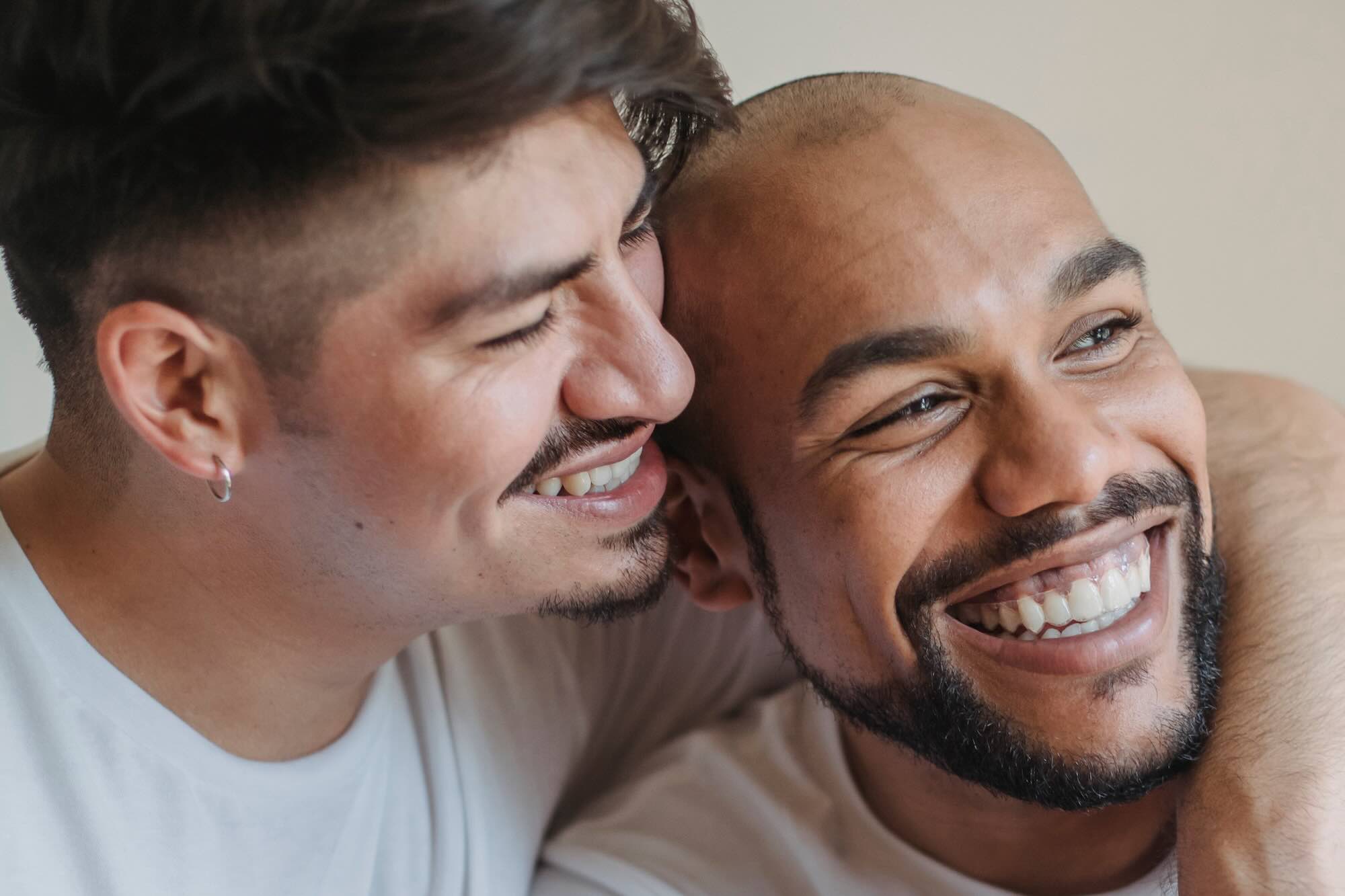
Culturally Affirming Therapy for BIPOC Clients
At Roots Psychotherapy, we offer culturally affirming therapy for BIPOC clients in College Station, TX. Our therapists understand that your background, identity, family system, community, and personal experiences can all shape the way you move through the world. Therapy can be a place to explore those experiences without having to minimize them, explain them away, or separate them from your mental health.
Whether you are looking for support with anxiety, depression, trauma, relationships, identity, family expectations, racial stress, or life transitions, culturally responsive therapy can help you feel more understood as you work toward healing and growth.
What Is Culturally Affirming Therapy?
Culturally affirming therapy recognizes that your identity and lived experience matter. Instead of treating culture, race, ethnicity, language, or family background as separate from mental health, this approach makes space for the full context of your life.
For BIPOC clients, therapy may include conversations about belonging, code-switching, generational expectations, immigration experiences, discrimination, racial identity, intergenerational trauma, or the pressure to navigate spaces where you may not always feel fully seen.
Culturally affirming therapy does not assume that every person from a particular background has the same experience. Instead, your therapist works to understand your story, your values, your relationships, and the meaning you make of your experiences.
Why BIPOC Clients May Seek Therapy
BIPOC clients come to therapy for many of the same reasons anyone might seek support, including anxiety, grief, depression, trauma, relationship stress, burnout, or feeling stuck. At the same time, those concerns may be shaped by cultural, racial, family, or community experiences.
You may be looking for therapy because you are carrying pressure to succeed, struggling with family expectations, navigating identity questions, processing painful experiences, or trying to understand how your past continues to affect your present. You may also be looking for a therapist who will not minimize the impact of racism, bias, cultural disconnection, or systems that have affected your wellbeing.
Therapy can give you space to slow down, name what you have been carrying, and begin to understand your experiences with more compassion and clarity.
Therapy for Racial and Cultural Identity
Racial and cultural identity can shape how you understand yourself, your relationships, your family, and your place in the world. For some clients, identity work may involve reconnecting with parts of their culture. For others, it may involve processing experiences of exclusion, assimilation, racism, or feeling caught between different worlds.
You might explore questions like: Where do I feel like I belong? How have family or cultural expectations shaped me? What parts of myself have I had to hide or protect? How do I build relationships where I feel fully seen?
For college students, these questions can become especially present while navigating independence, belonging, and identity in a new environment.
Therapy can help you explore these questions in a way that honors both your individual experience and the broader systems, relationships, and histories that have shaped you.
Support for Racial Stress, Discrimination, and Belonging
Experiences of racism, discrimination, bias, or cultural misunderstanding can affect your nervous system, relationships, confidence, and sense of safety. Sometimes these experiences are overt. Other times, they show up as subtle comments, repeated invalidation, pressure to code-switch, or the feeling that you always have to work harder to be understood.
Over time, this can contribute to anxiety, exhaustion, anger, sadness, disconnection, or a sense of not being able to fully relax. Therapy can help you process these experiences, understand how they have affected you, and develop ways to care for yourself without blaming yourself for the impact of those experiences.
Spanish-Speaking Therapists
For some clients, language is an important part of feeling safe and understood in therapy. Speaking with a Spanish-speaking therapist can make it easier to express emotion, talk about family dynamics, and share parts of your story that may not translate fully into English.
Roots Psychotherapy has Spanish-speaking therapists who can provide support for clients who prefer or need therapy in Spanish.
Spanish-Speaking Therapists at Roots:
BIPOC Therapists
For some clients, working with a BIPOC therapist or therapist of color may feel especially important. You may be looking for a therapist who has personal or professional understanding of racial identity, cultural expectations, belonging, or the experience of moving through systems that were not always built with you in mind.
When available, Roots Psychotherapy can help connect clients with BIPOC therapists or therapists of color who are a good fit for their needs, goals, and preferences.
BIPOC Therapists / Therapists of Color at Roots:
- Alyssa Smalt
- Jess Rios
- Sarah Contreras
Therapists Specializing in Racial/Cultural Identity
Some therapists may not identify as BIPOC but have experience supporting clients around racial identity, cultural identity, family systems, immigration-related stress, intergenerational experiences, discrimination, or belonging.
These clinicians can help clients explore how identity and culture intersect with mental health, relationships, self-worth, trauma, grief, anxiety, and life transitions.
Therapists Specializing in Racial/Cultural Identity at Roots:
- Alyssa Smalt
- Brooke Martin
- Bry Wetherell
- Caroline Dillard
- Dani Cook
- Hannah Rutherford
- Jeremy Dew
- Jess Rios
- Jill Butler
- Kaitlin Parks
- Marc Klekar
- Sarah Contreras
- Tiffany Hammond
Our Approach to Culturally Responsive Therapy
At Roots Psychotherapy, culturally responsive therapy begins with curiosity, humility, and respect. Your therapist will not assume they know your experience based on one part of your identity. Instead, they will work with you to understand the many parts of your story and how those parts connect to what you are facing now.
For many clients, identity is layered. Therapy at Roots can also support clients looking for care that honors the overlap between race, culture, gender, sexuality, family, and identity, including those seeking LGBTQIA+ affirming therapy.
Depending on your needs, therapy may include exploring patterns in relationships, processing trauma, building coping skills, strengthening boundaries, understanding family dynamics, or reconnecting with parts of yourself that have been dismissed or overlooked.
The goal is not to separate your mental health from your identity. The goal is to help you feel more whole, supported, and understood as you move toward healing.
BIPOC Therapy in College Station, TX
If you are looking for culturally affirming therapy, BIPOC therapy, a Spanish-speaking therapist, or support around racial and cultural identity in College Station, TX, Roots Psychotherapy can help you find a therapist who fits your needs.
Our team offers compassionate, identity-aware support for clients who want therapy that honors the full context of their lives. You do not have to leave important parts of yourself outside the therapy room.
Reach out today to learn more about culturally affirming therapy for BIPOC clients in College Station, TX.